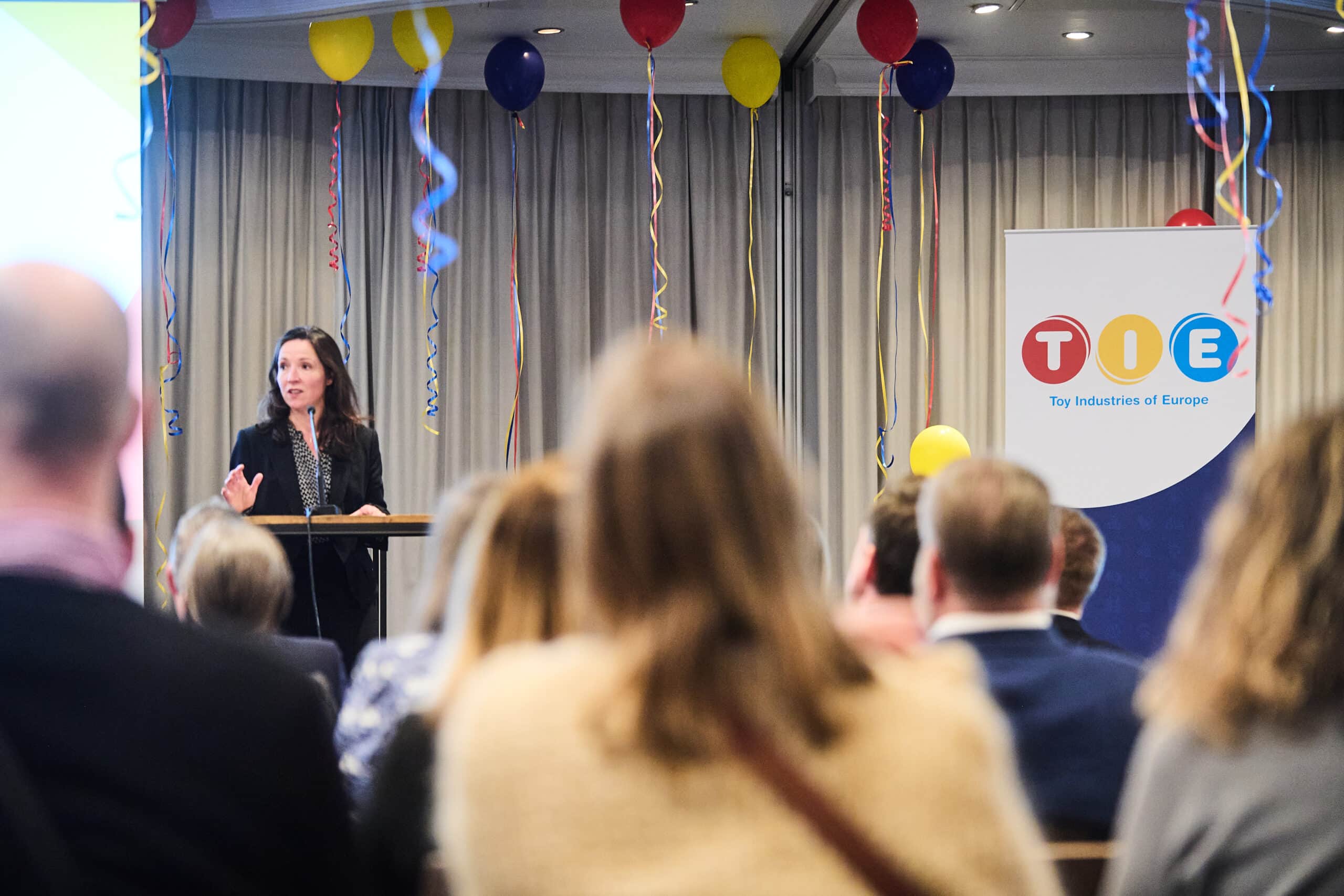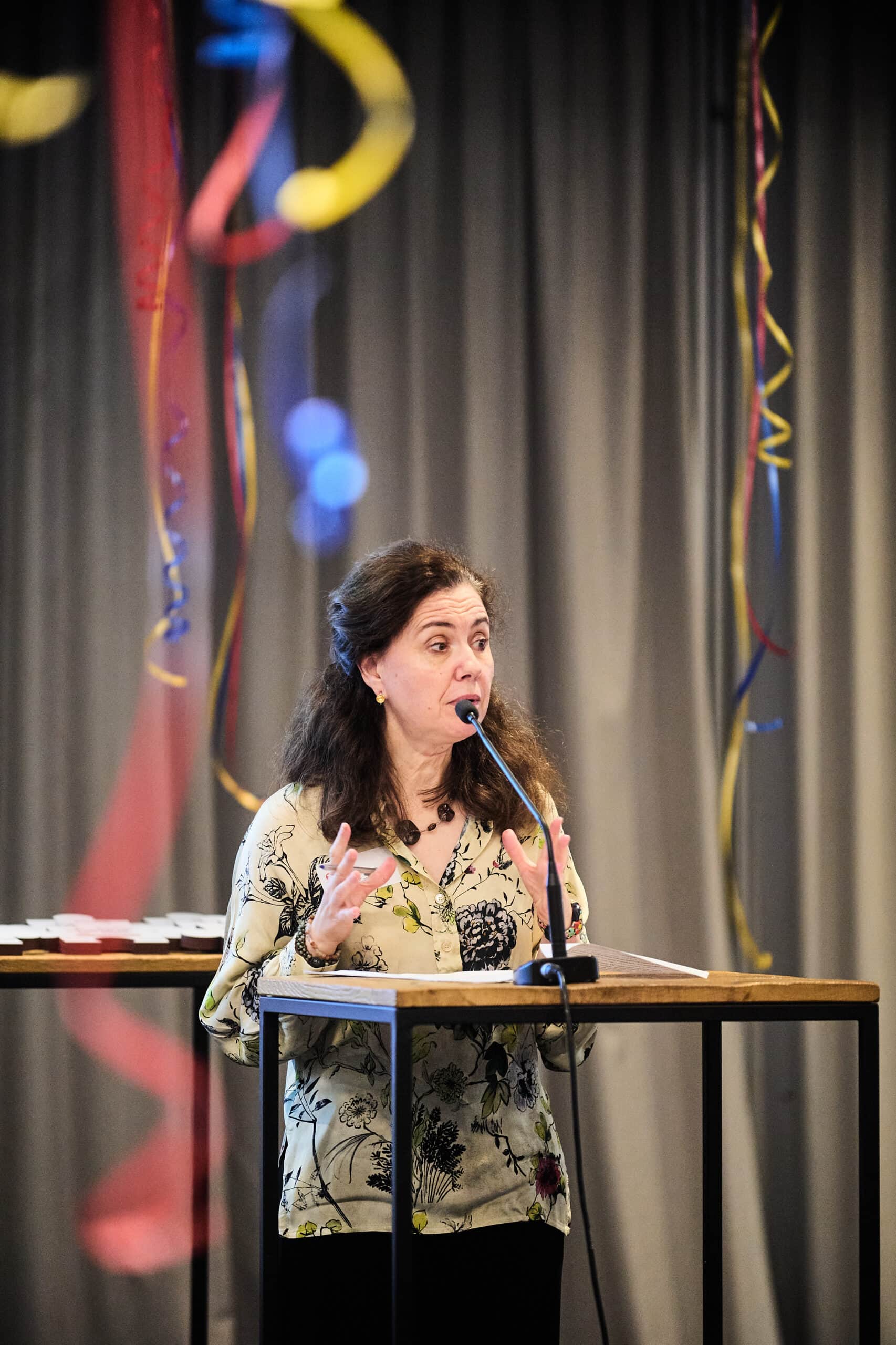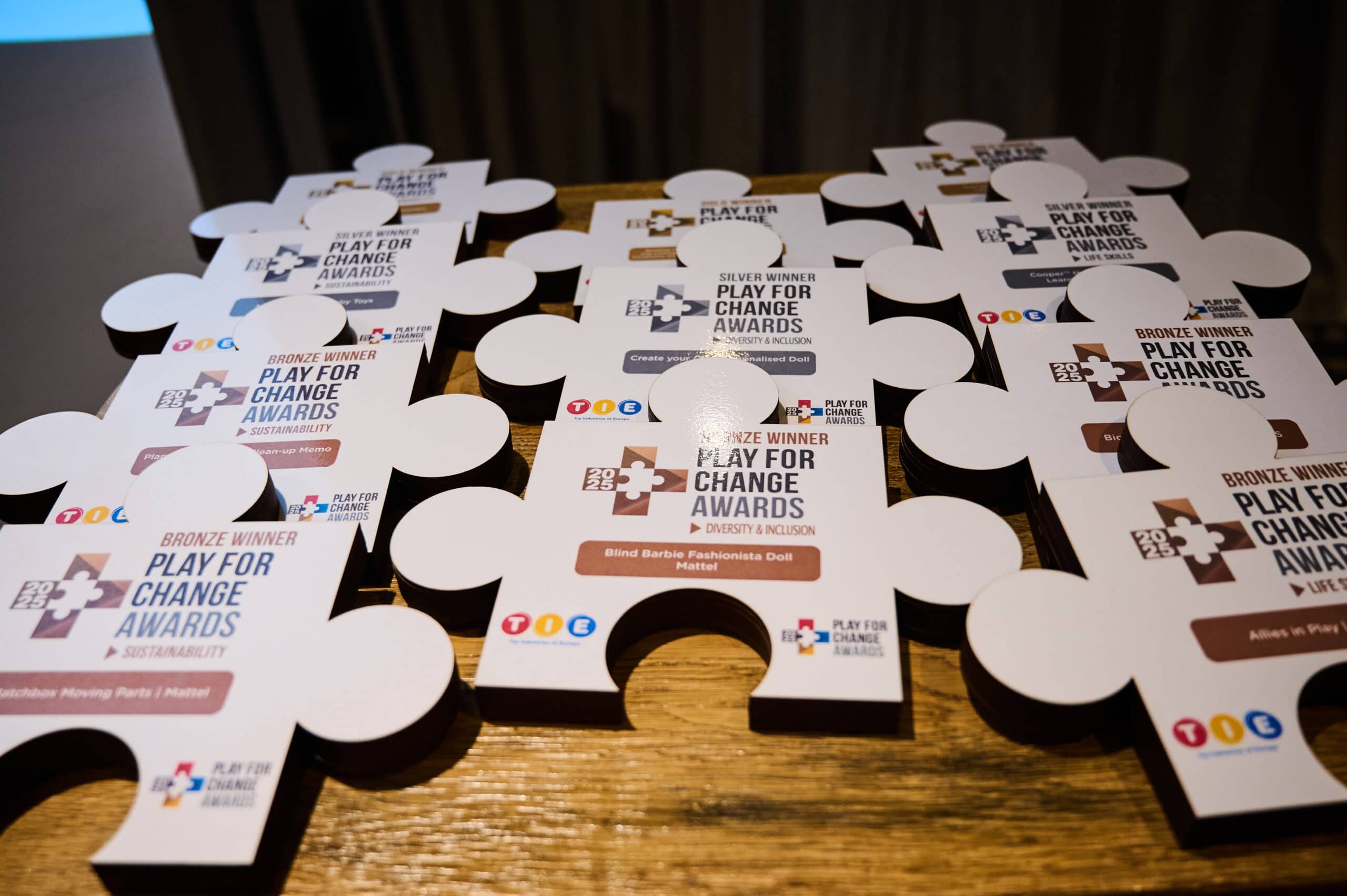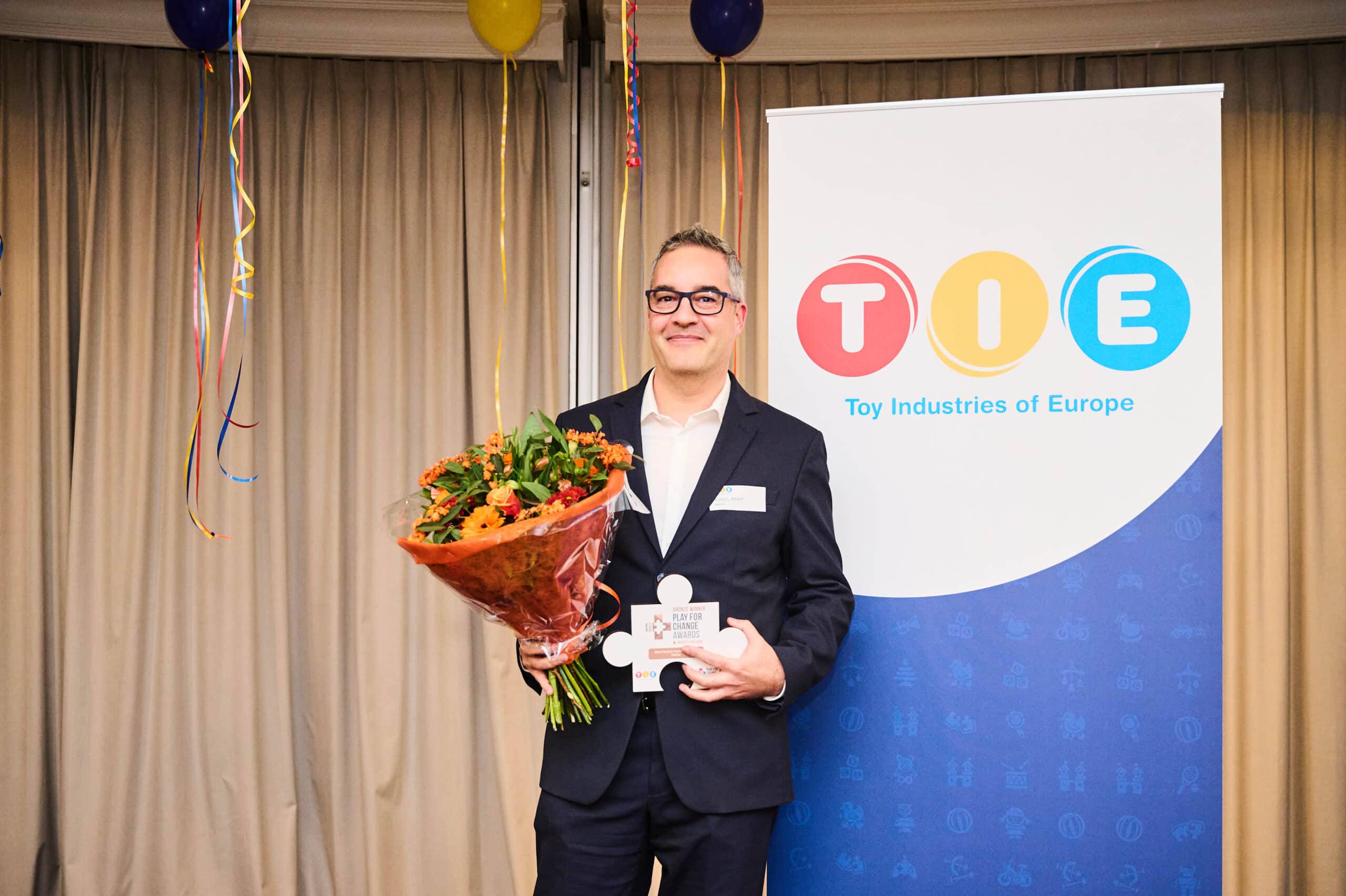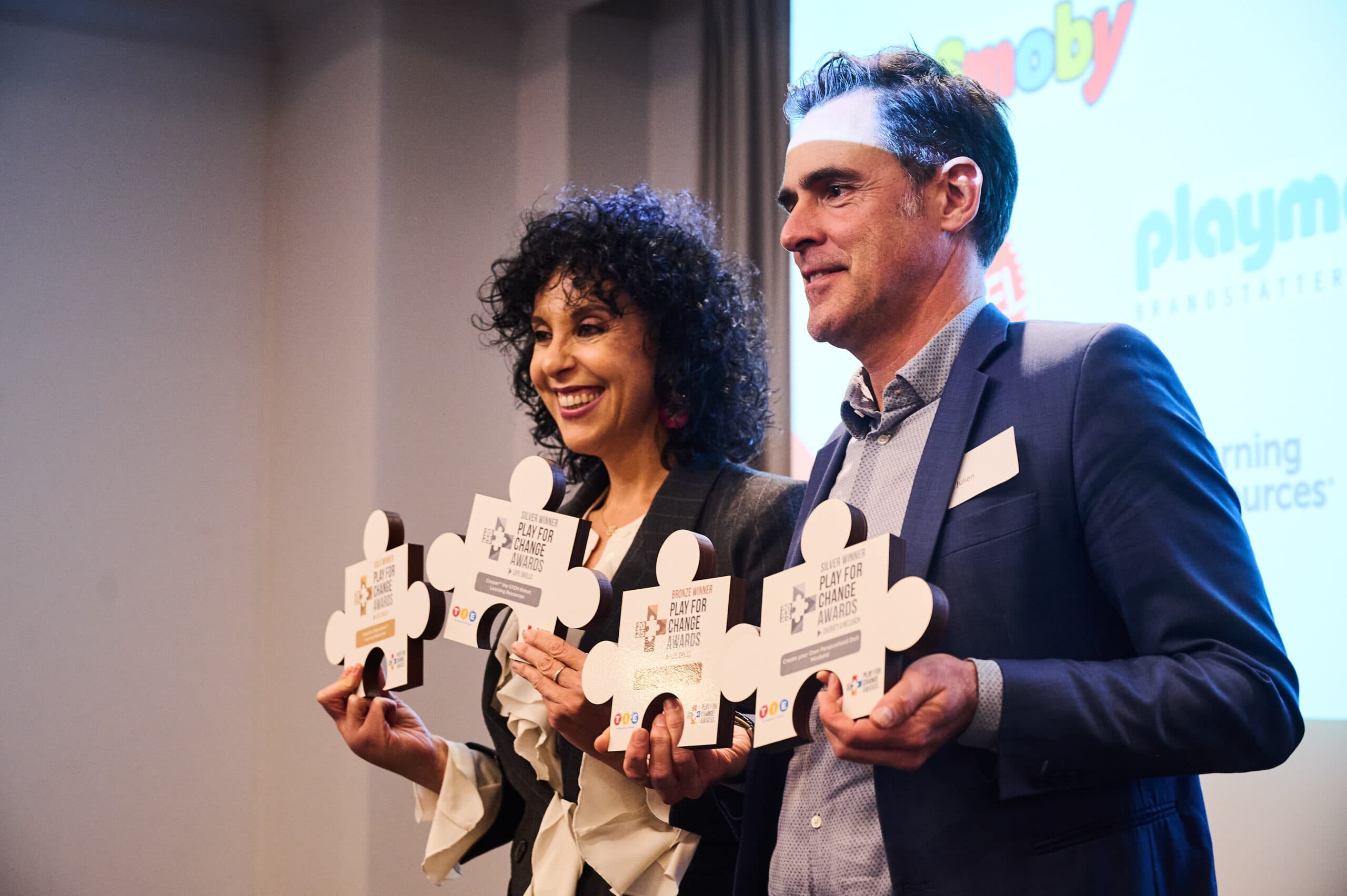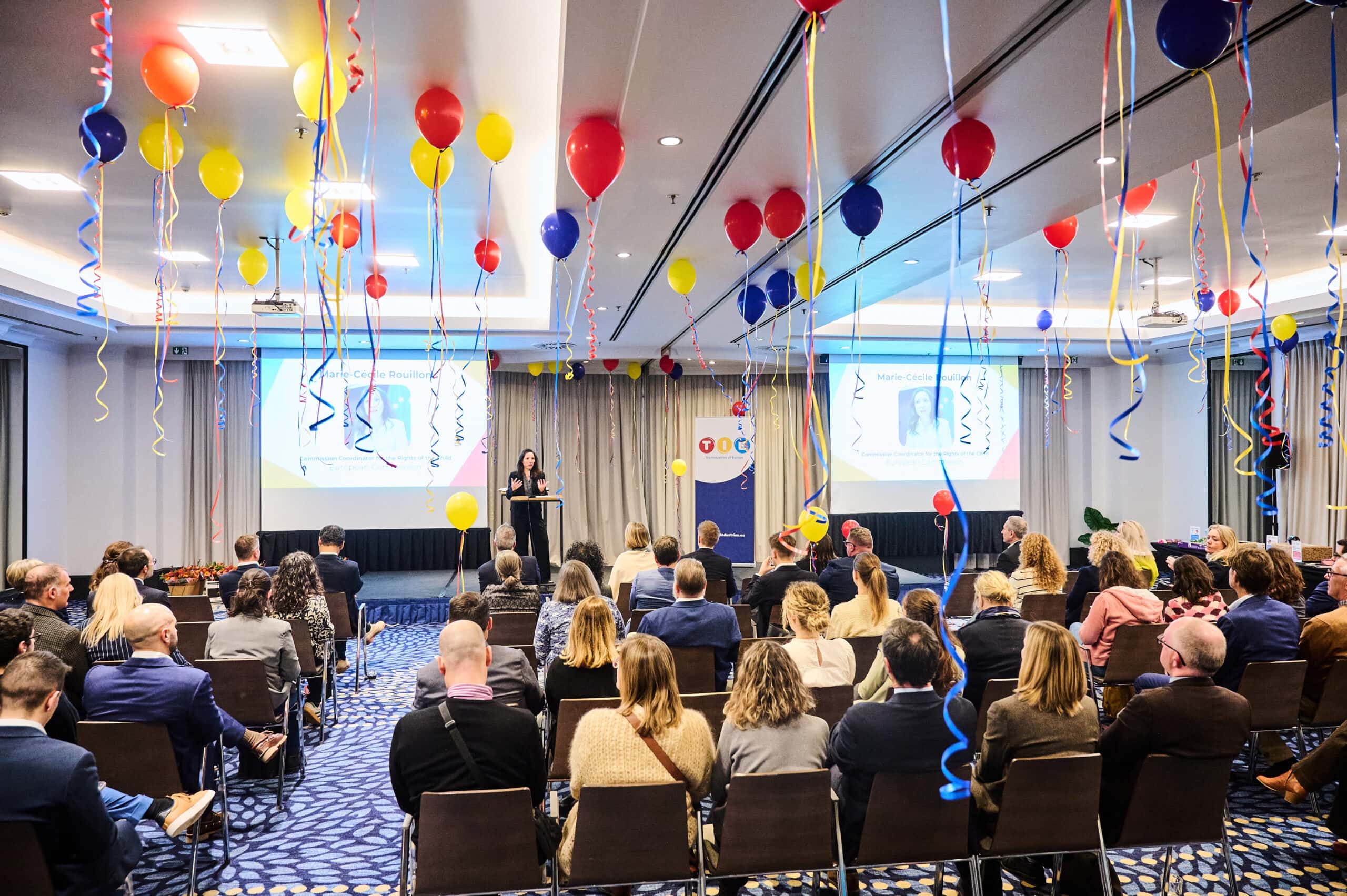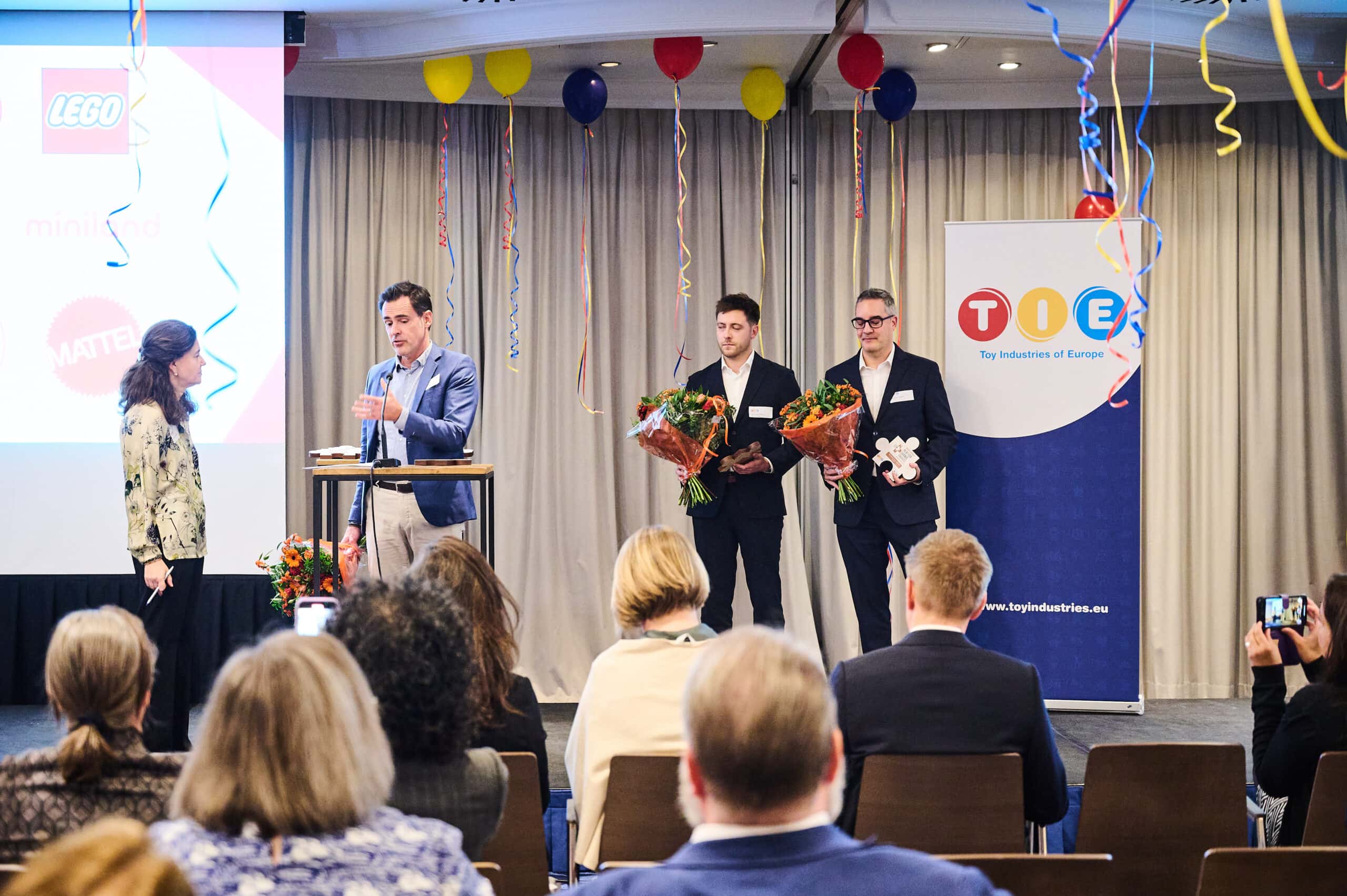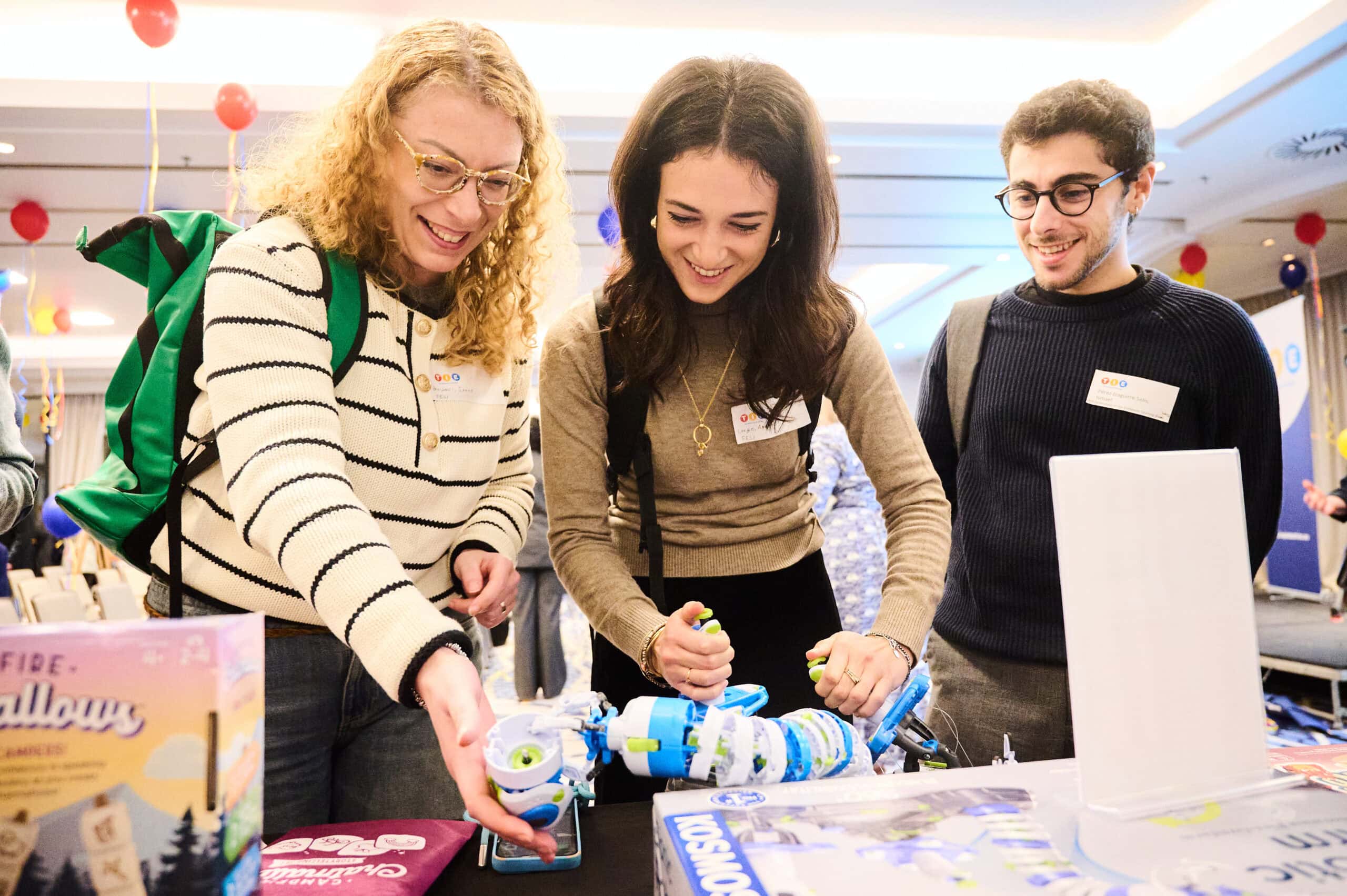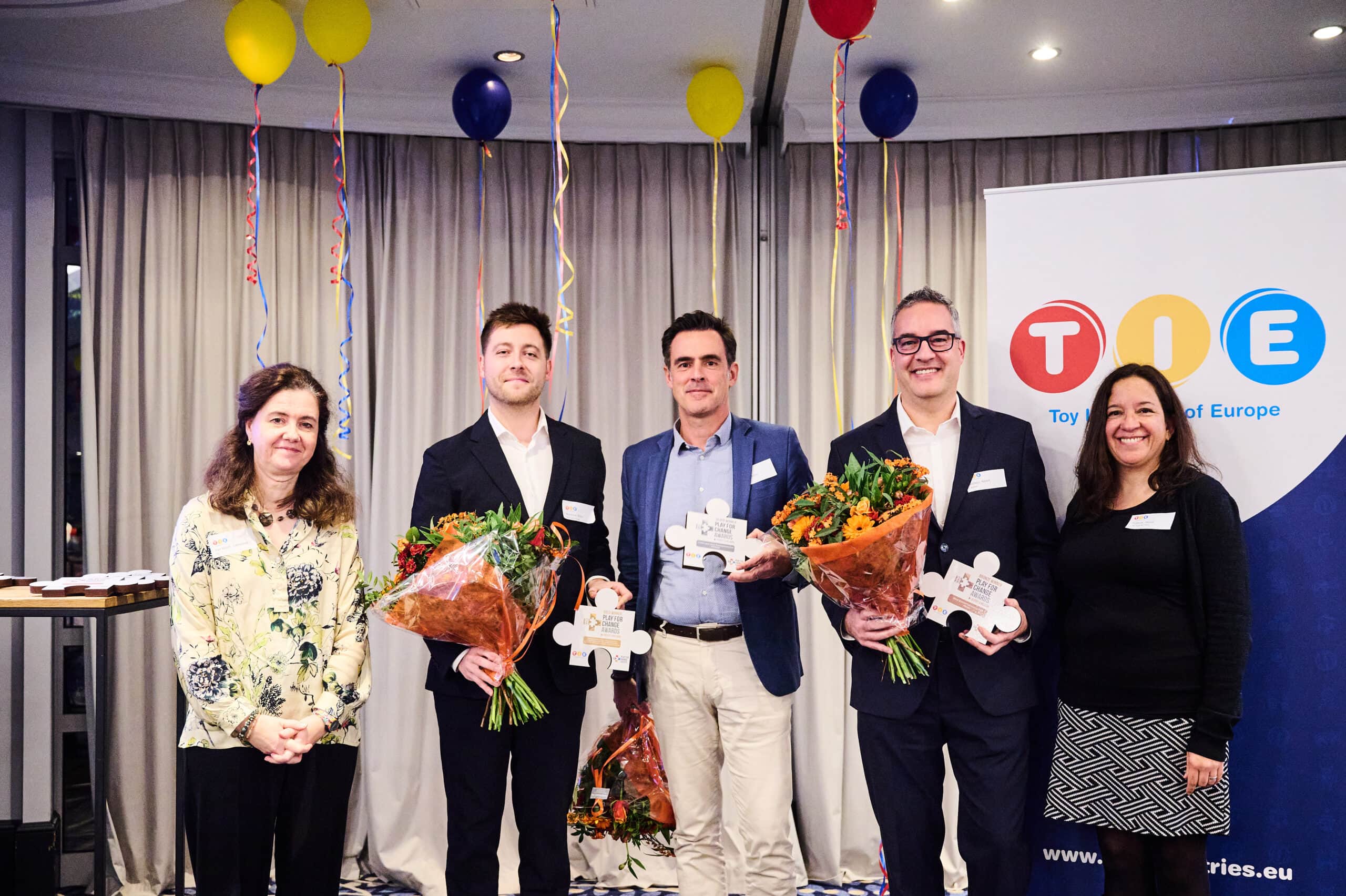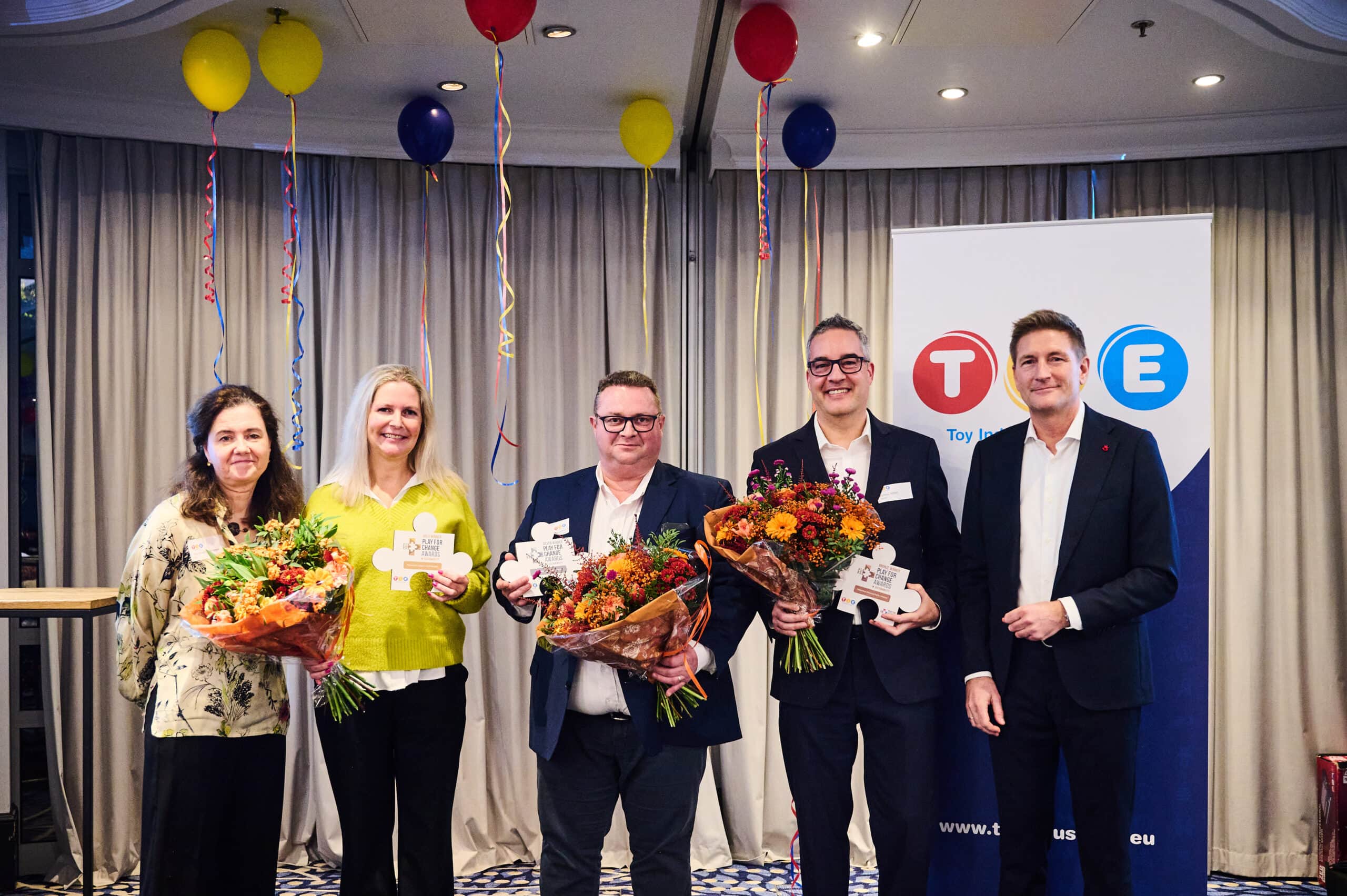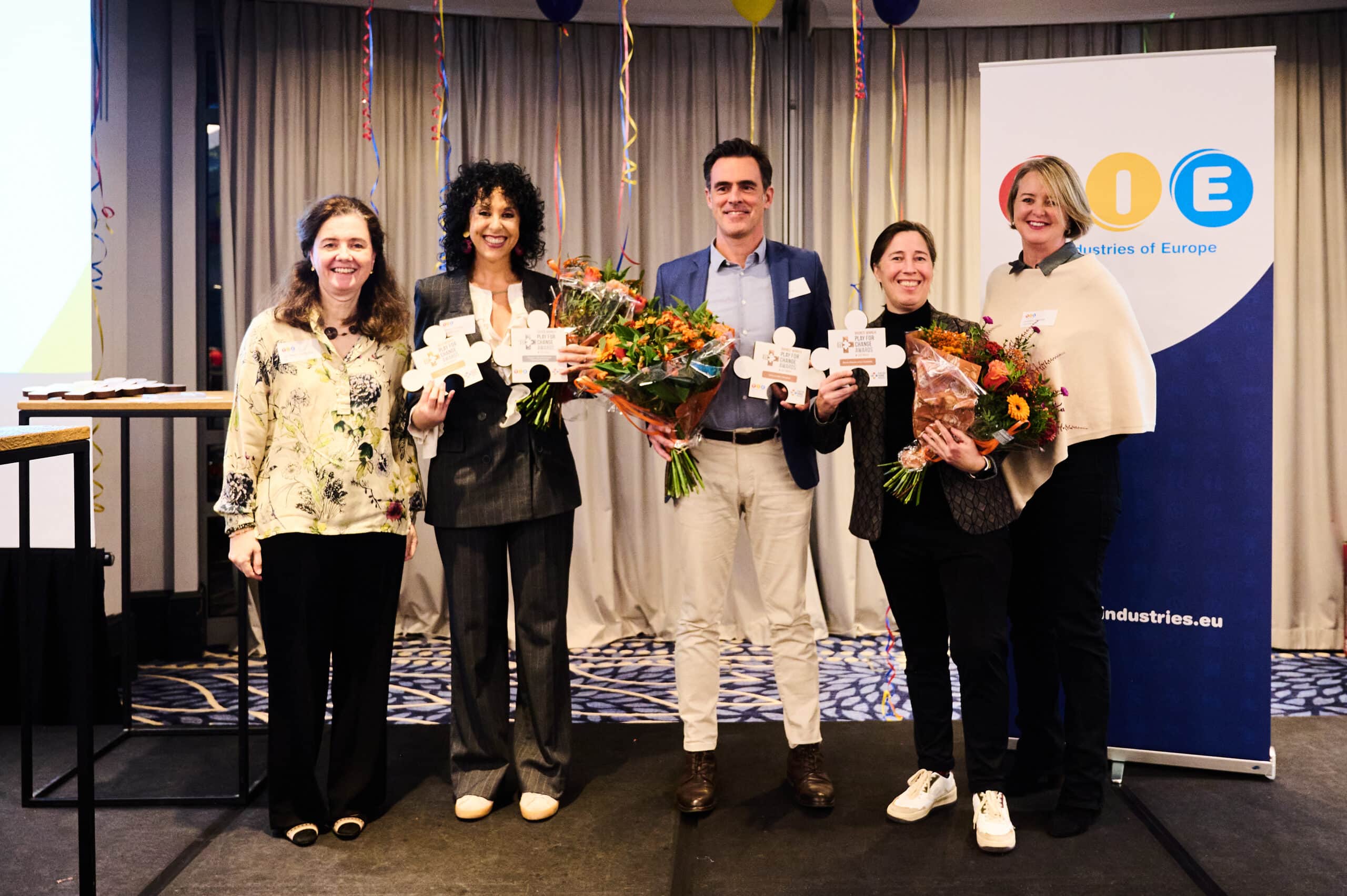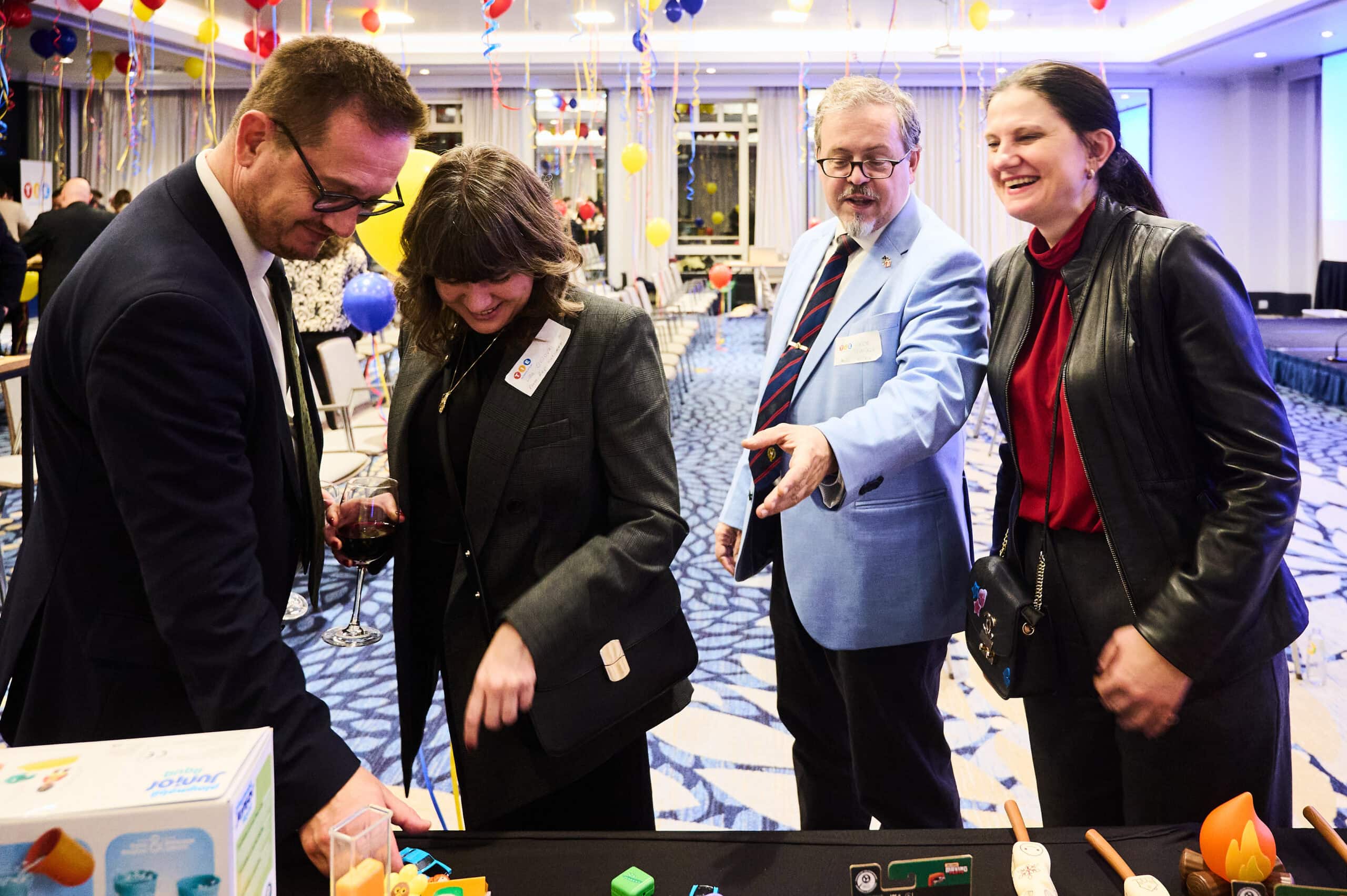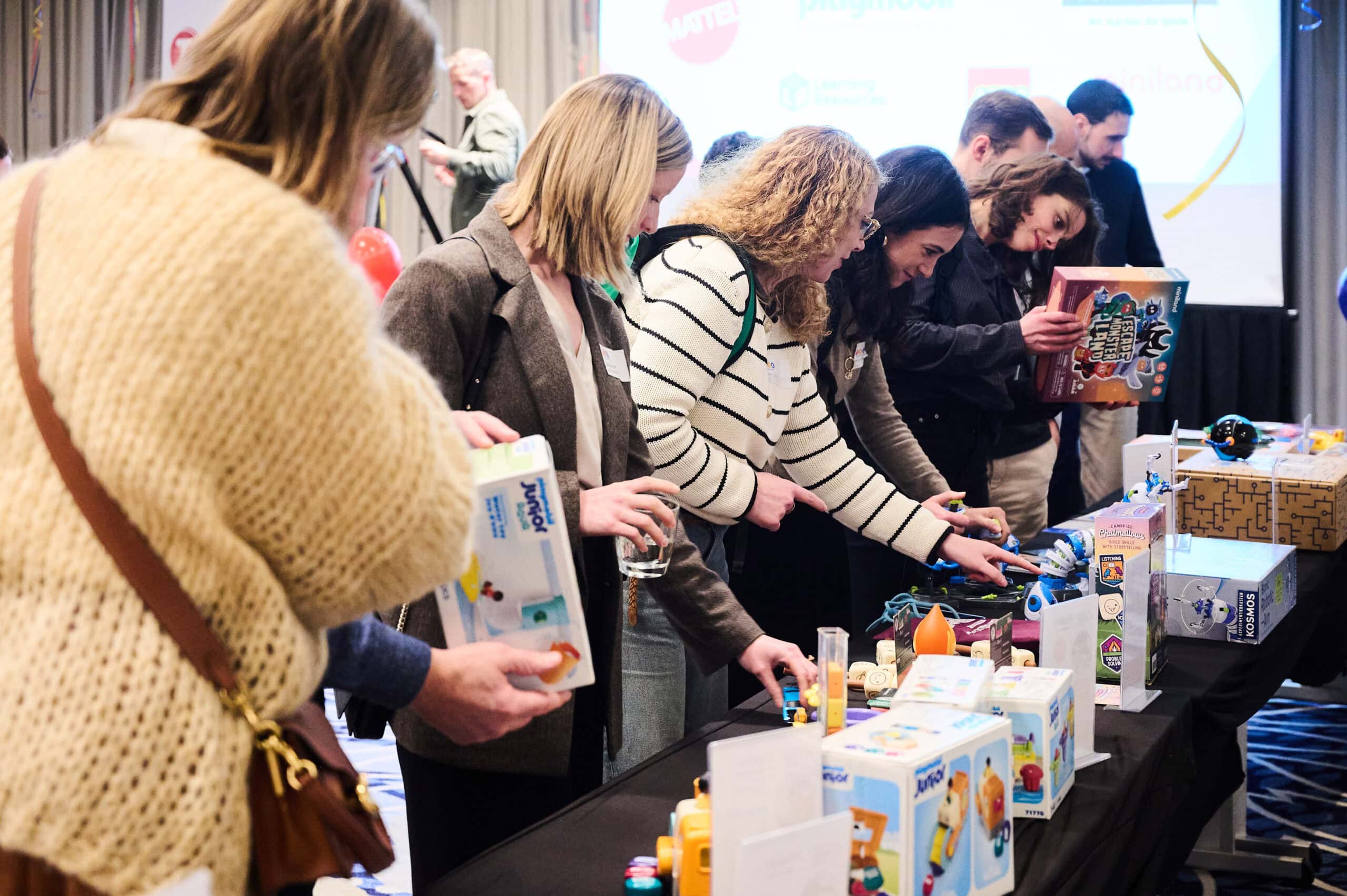
Winners of the 2025 Play for Change awards
Have a look at the winners of the 2025 Play for Change awards, an exciting line up of toy makers going the extra mile when developing their toys.
Diversity & Inclusion
The diversity & inclusion award recognises activities and toys that break boundaries based on outdated ‘norms’ of social status, ability, sex, race or religion.
Building Inclusive Play: Supporting Fans and Colleagues with Non-Visible
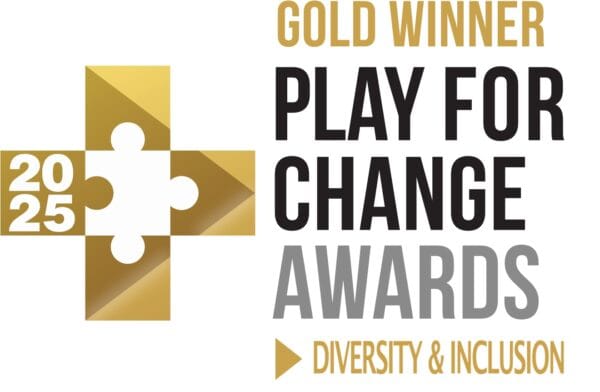
Disabilities, Conditions and Sensory Needs by The LEGO Group
This comprehensive initiative incorporates the Hidden Disabilities Sunflower campaign aimed at bringing awareness to non-visible disabilities. Not only does the LEGO Group incorporate the symbolic sunflower lanyard into its LEGO figure designs, it also made available company-wide training for LEGO Group employees and sensory accommodations for customers at its global stores. The judges were impressed by the scale of the initiative and the attention that it brings to an underdiscussed category of disabilities.
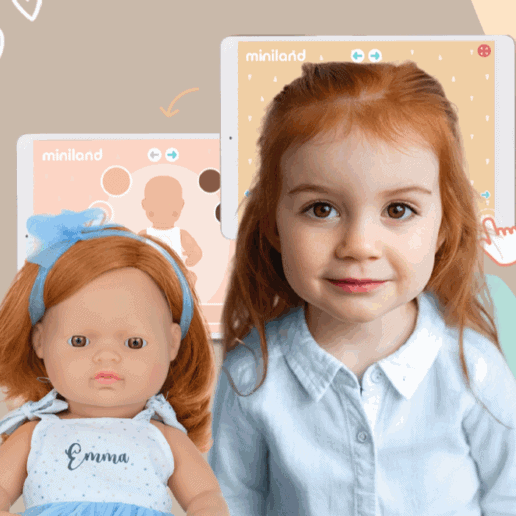
Create Your Own Personalised Doll by Miniland S.A.
Offering a wide array of customizations like skin color, vitiligo, eye shape, heterochromia, visible cochlear implants, and more, the Create Your Own Personalised Doll initiative allows kids to design and name dolls that look like them, their family members, and their friends. Colorful stickers can be added to cardboard bracelet cut-outs of the packaging and given out as friendship bracelets. The jury appreciated the scope of representation and that the design process leaves room for the addition of even more features to maximize inclusion.
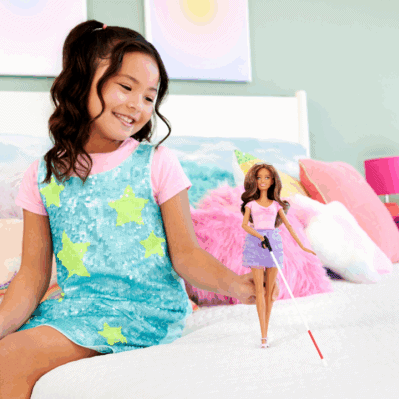
Blind Barbie Fashionista by Mattel EMEA
Blind Barbie Fashionista, created in partnership with the American Foundation for the Blind, is an accurate portrayal of someone with severe visual impairments. She struts her stuff in a satiny blouse and ruffled skirt with a walking stick and sunglasses that she uses to protect her eyes from UV rays. The judges commended Mattel for continuing to push the boundaries of representation in the most popular doll line in the world.
Sustainability
The sustainability award is for initiatives and/or toys which aim to deliver an overall positive impact for the environment.
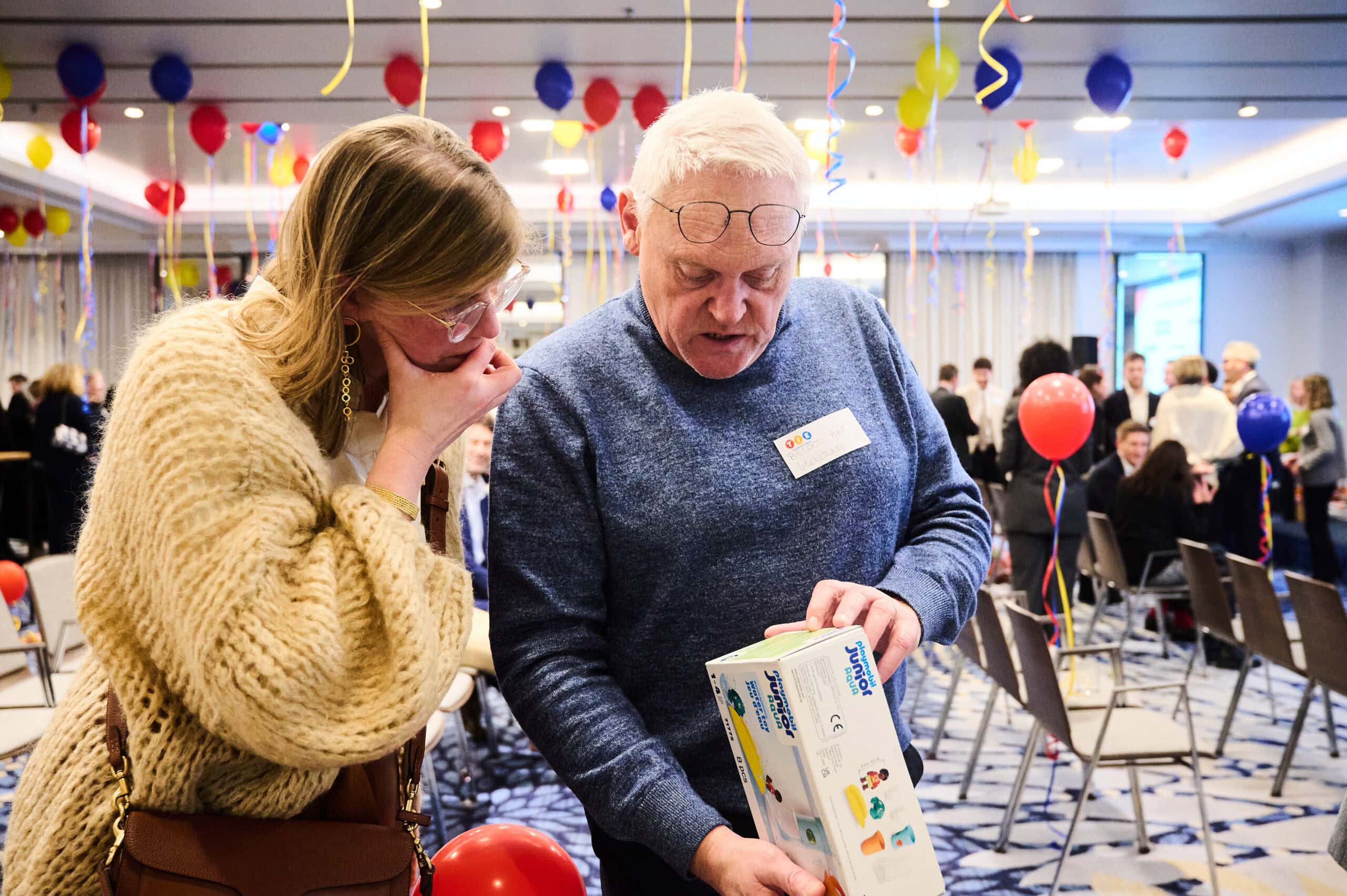
Playmobil Junior by PLAYMOBIL
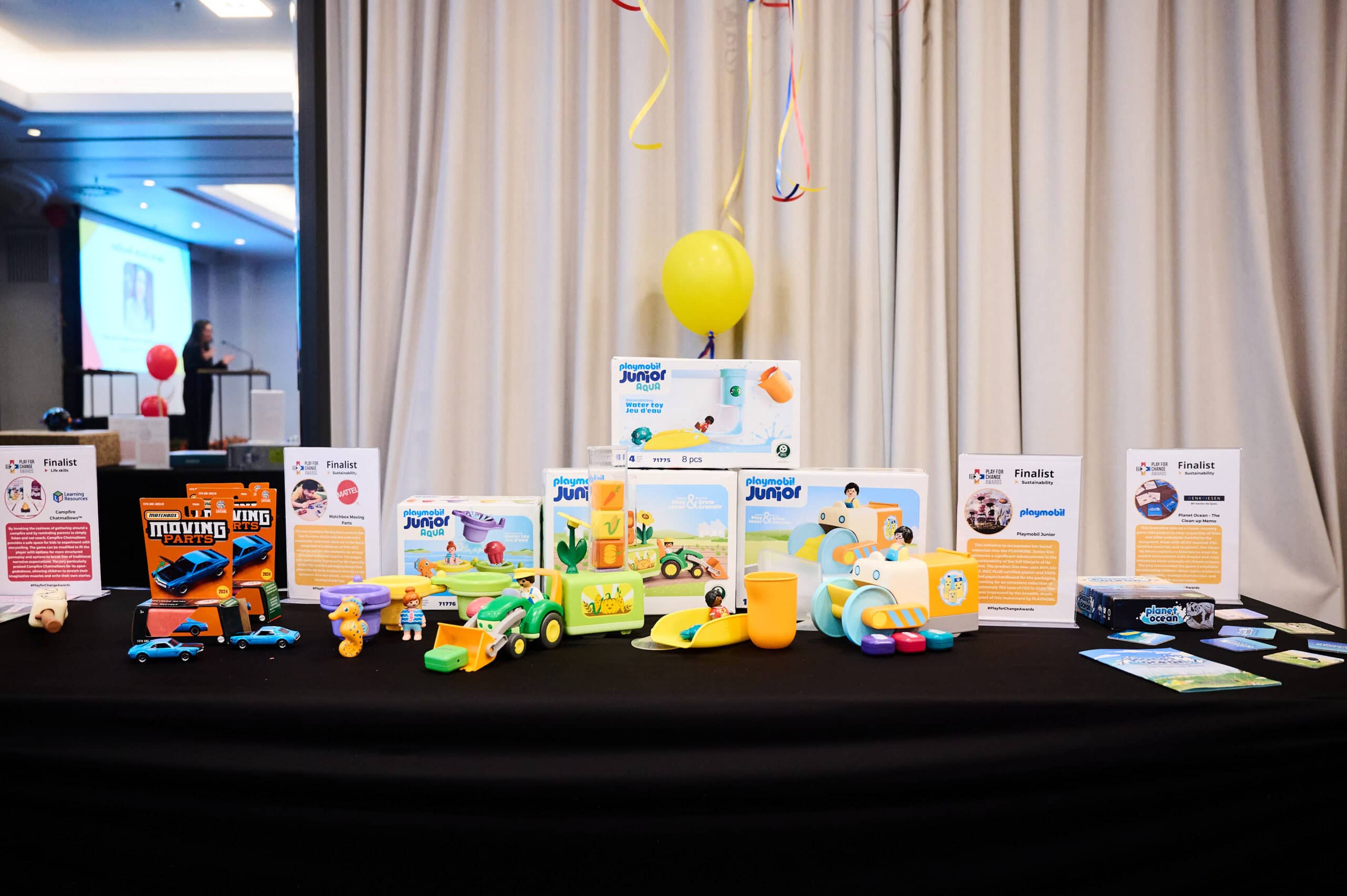
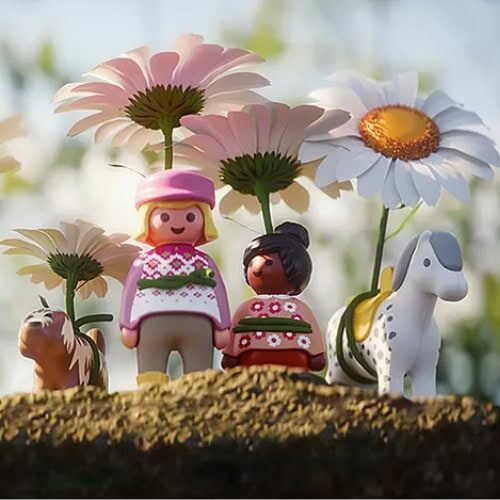
This initiative to incorporate bio-based materials into the PLAYMOBIL Junior line represents a significant advancement in the sustainability of the full lifecycle of its products. The product line now uses 90% bio-based, ISCC PLUS certified plastic and 100% recycled paper/cardboard for the packaging, accounting for an emissions reduction of approximately 750 tons of CO2 in 2024. The jury was impressed by the breadth, depth, and impact of this investment by PLAYMOBIL.
Mud Kitchen by Smoby Toys
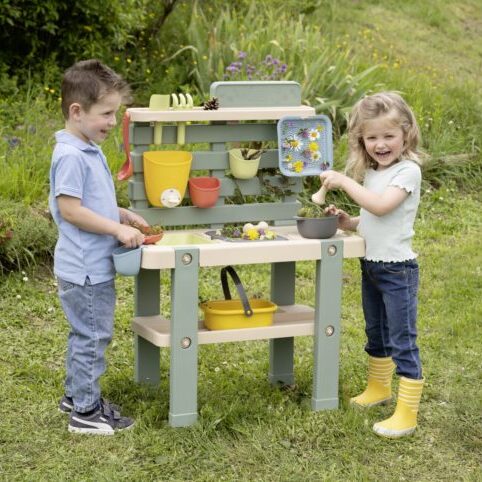
This recycled, locally produced outdoor kitchen and its many cooking utensils encourage kids to deploy their imagination as they use elements from the landscape around them to create culinary masterpieces. Containing 90% recycled materials, Mud Kitchen retains the durability of traditional virgin plastic in the face of inclement weather and strong UV rays. The judges strongly praised the toy for getting kids outdoors and engaging in physical, hands-on play with nature.
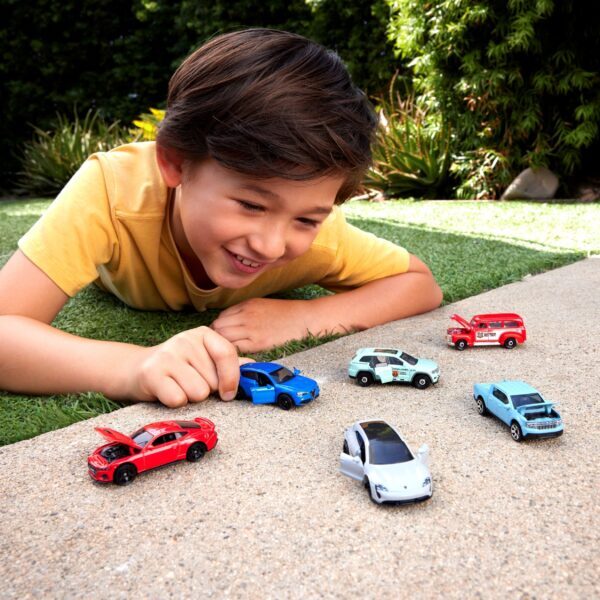
Matchbox Moving Parts by Mattel EMEA
The new Matchbox Moving Parts product line has the same classic look but with more sustainable credentials. Each car in the line is comprised of a minimum of 70% ISCC materials and the zinc elements are at least 94% post-industrial recycled. The judges were particularly impressed by the ingenuity of the FSC-certified packaging design that allows the toy to be displayed directly to the consumer via a non-plastic, compostable, biodegradable tray.
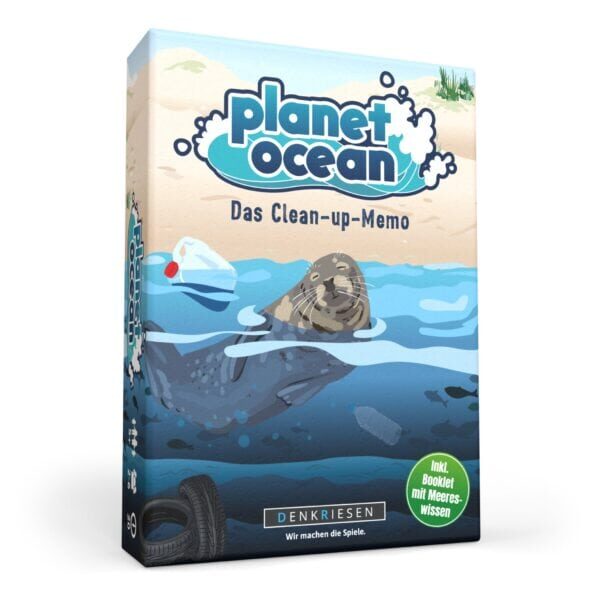
The Clean-Up Memo by D&R Denkriesen
This innovative take on a classic memory game asks players to clear a coastline of litter and other pollutants harmful to the ecosystem. Made with all EU-sourced, FSC-certified materials and no plastic, The Clean-Up Memo explains to kids how to treat the coastal environment with respect and even introduces basic concepts of climate science. The jury commended the game’s emphasis on educating children about topics related to sustainability, ecological protection, and wildlife preservation.
LIFE SKILLS
The life skills award recognises an initiative or product that prepares children for tomorrow’s world.
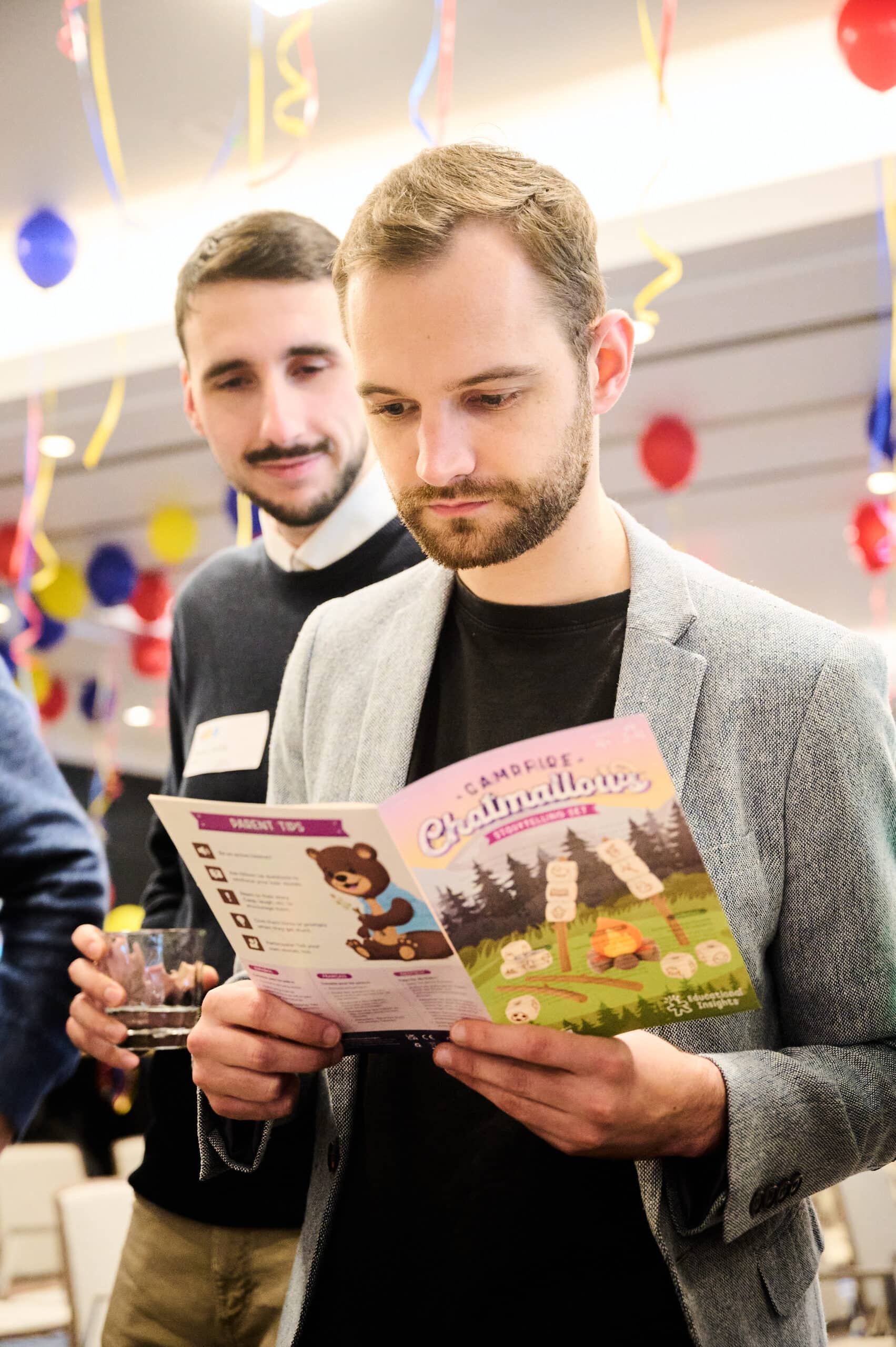
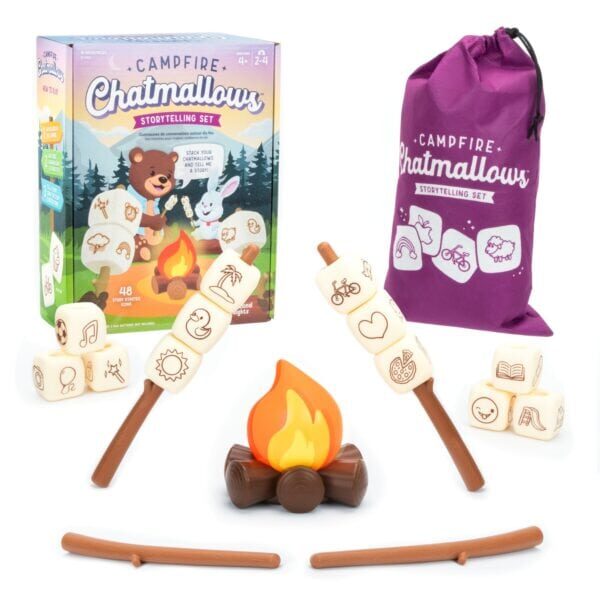
Campfire Chatmallows by Learning Resources
By invoking the coziness of gathering around a campfire and by reminding parents to simply listen and not coach, Campfire Chatmallows provides a safe space for kids to experiment with storytelling. The game can be modified to fit the player with options for more structured gameplay and options to break free of traditional narrative expectations. The jury particularly praised Campfire Chatmallows for its open-endedness, allowing children to stretch their imaginative muscles and write their own stories.
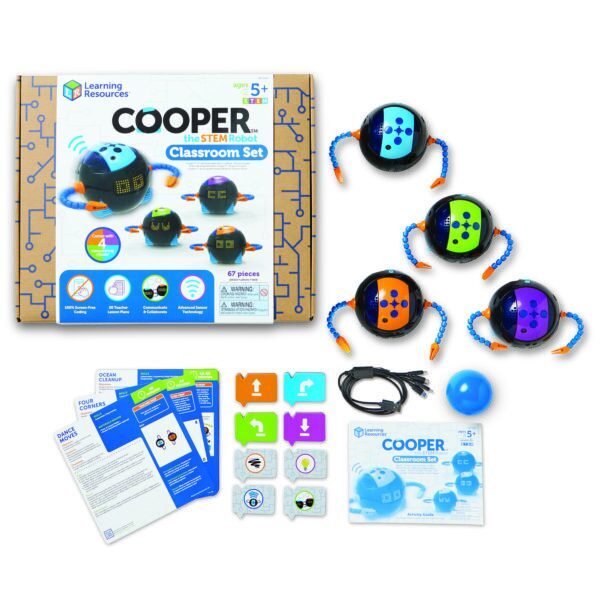
Cooper the STEM Robot by Learning Resources
An introductory coding toy, Cooper the STEM Robot lets children create almost infinite patterns of movement and solve structured challenges. Its intuitive programming system helps children begin to grapple with STEM concepts like sequencing as early as kindergarten. The judges felt the highly interactive nature of the toy encourages sustained engagement and creates a seamless blend of physical and digital play without the screens.
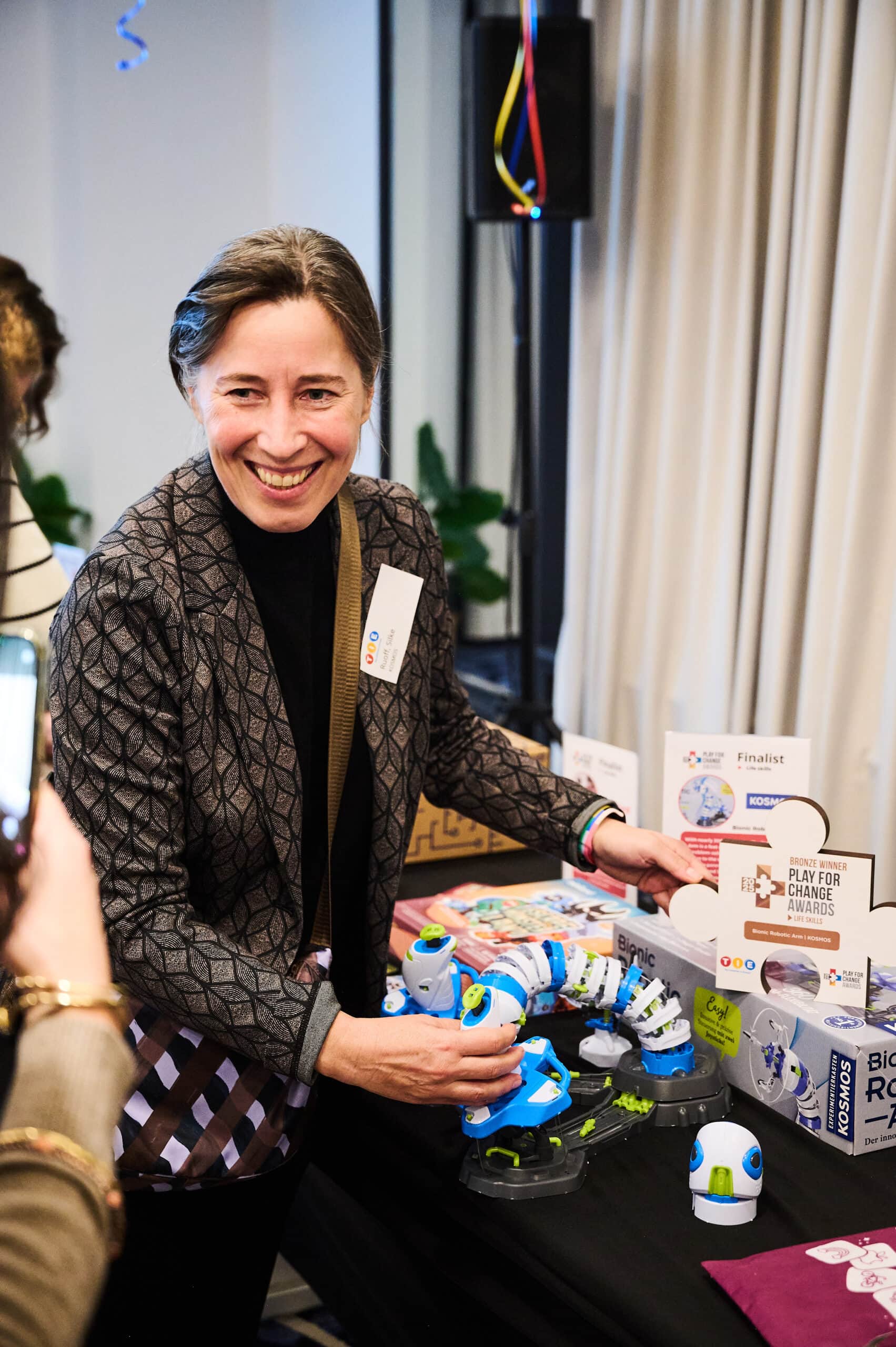
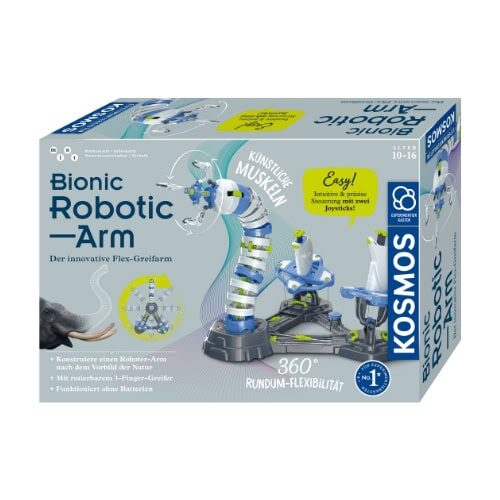
Bionic Robotic Arm by KOSMOS
With nearly 300 pieces, the Bionic Robotic Arm is a feat of dexterity, precision, and problem-solving that introduces older children to the world of robotics either alone or with a parent. This pulley-driven arm of cables and 3-D printed plastic can be intuitively maneuvered via the joysticks and be made to grab things within its reach. The Life Skills judges applauded the intricacies of the toy and the two stages of play— building then operating.
Allies in Play by Miniland S.A.
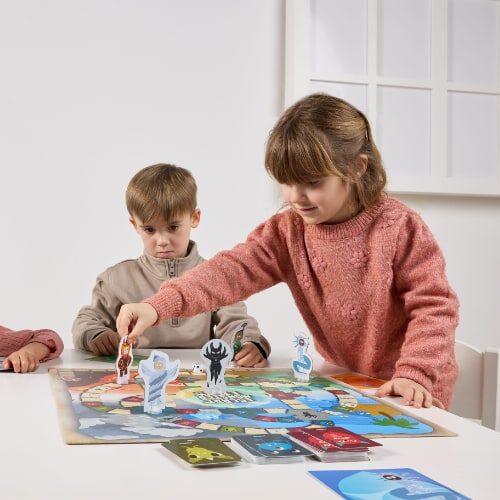
In a first of its kind product line, Allies in Play forms a cohesive set of fun games designed to stop bullying in its tracks. These sequential games help children learn to decipher, process, and regulate their emotions—a key factor in reducing bullying and promoting healthy interpersonal relationships. The jury especially liked that the initiative grows with the kids, advancing to touch on ever more complex situations and emotional responses as the years pass.